Fencing Advice
Why Winter is the Perfect Time to Plan a Fence Replacement
Planning ahead during the quieter months can make replacing your garden fence more straightforward, helping you get everything ready for spring.
Hertfordshire & Bedfordshire
FENCING ADVICE
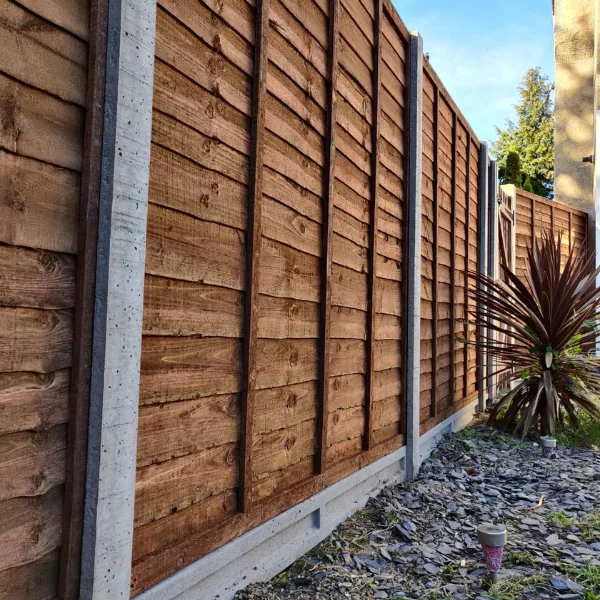
Wooden fence panels are a popular choice for creating a secure, attractive boundary around your garden. Whether you're replacing old, worn-out fencing or planning a completely new installation, choosing the right panels and ensuring they are fitted properly can make a real difference to the finished result.
Looking for a new fence or a garden makeover? Get in touch for a free quote.
A Guide to Garden Fencing
A well-chosen wooden fence does more than mark the boundary of your property. It can provide privacy, improve security and create a neat, finished appearance that complements the rest of your garden.
With several styles and materials available, it's worth considering how you use your outdoor space, the appearance you want to achieve and the conditions your fence will need to withstand.
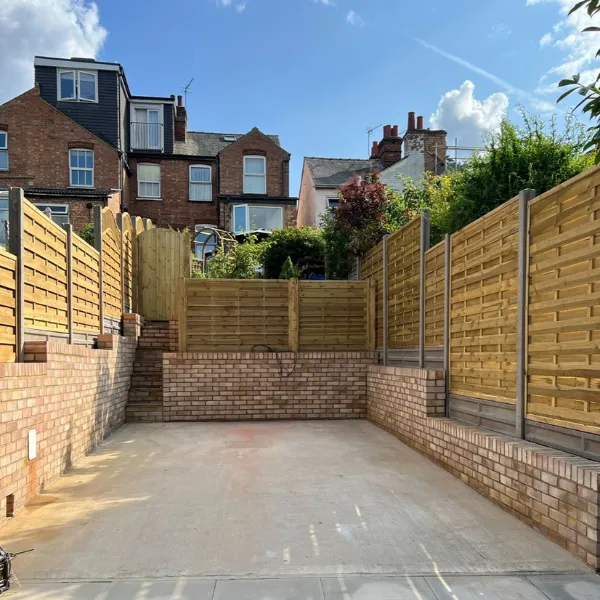
Why Choose Timber?
Wooden fencing remains a popular option for gardens of all shapes and sizes. It offers a combination of practicality, appearance and flexibility.
Quality, pressure-treated timber is designed to help resist rot and decay. With suitable installation and maintenance, wooden panels can provide a dependable garden boundary for years.
Timber has a natural, timeless look that works well with a wide range of garden designs and landscaping styles.
From traditional closeboard and lap panels to decorative trellis, there are options to suit different properties and preferences.
Wood is a renewable resource, making timber an alternative to fencing materials such as plastic and metal.
Finding the Right Style
Different types of wooden fencing offer different levels of privacy, strength and visual appeal. Some of the most common options include:
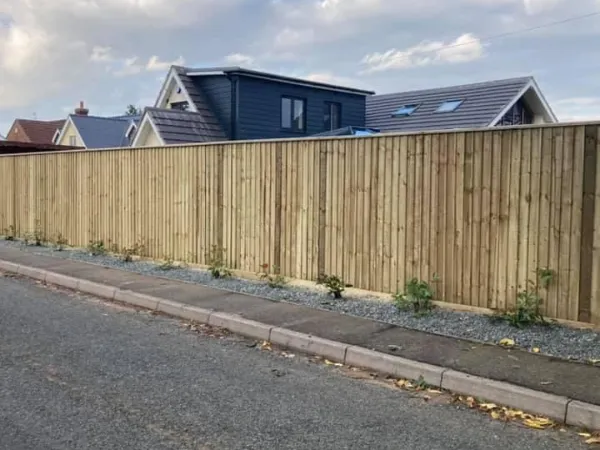
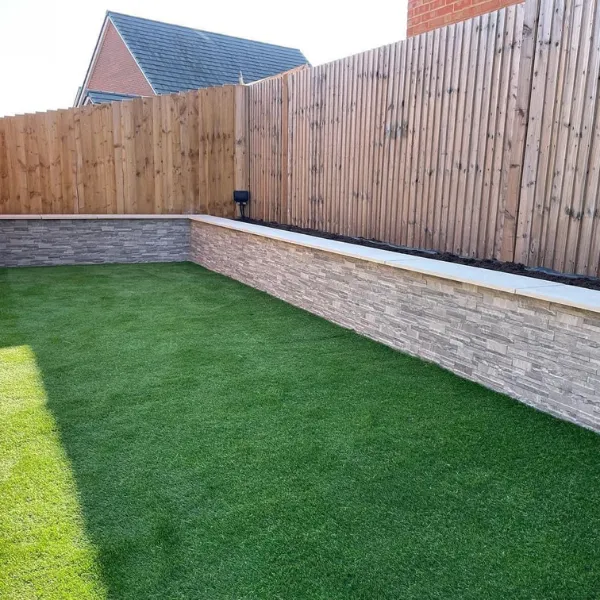
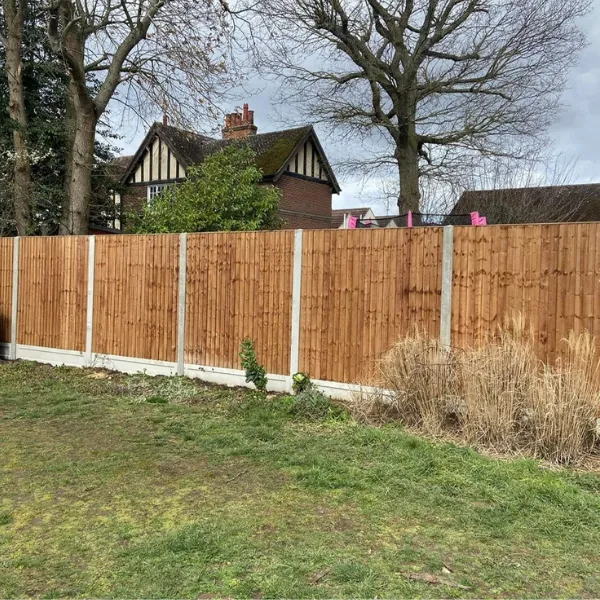
Made with vertical overlapping boards, closeboard fencing is a strong, solid option that provides excellent privacy and a traditional appearance.
An affordable and widely used option, lap panels feature horizontal overlapping boards and are available in a range of sizes.
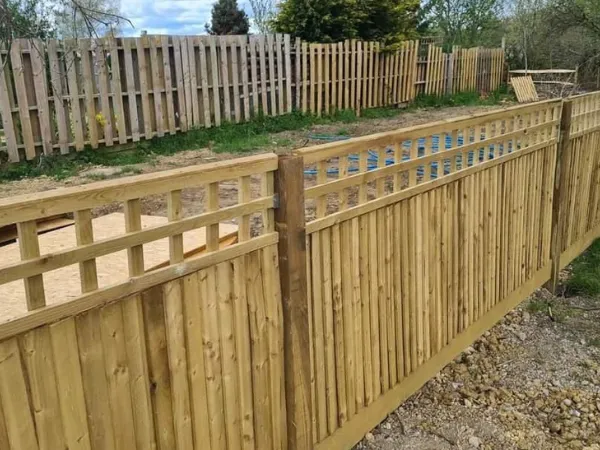
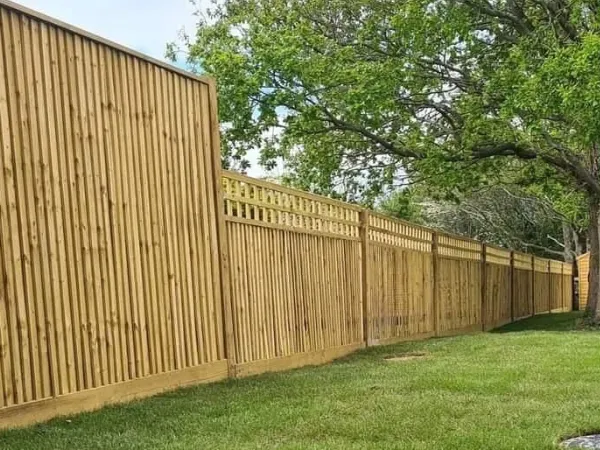
Trellis can be used as a decorative feature, as a garden divider or above existing fencing. It also provides support for climbing plants.
Featheredge fencing uses overlapping vertical boards to create a solid, durable boundary with a traditional timber finish.
Getting the Installation Right
The quality of the installation is just as important as the panels themselves. Even good materials can struggle if the fence is not properly supported or fitted.
Careful measuring and alignment help create a straight, consistent finish that follows the boundaries of your garden.
Posts need suitable foundations and the correct depth to help prevent movement and leaning, particularly in areas exposed to strong winds.
Gravel boards provide a barrier between the bottom of the wooden panels and the ground, helping to reduce contact with damp soil.
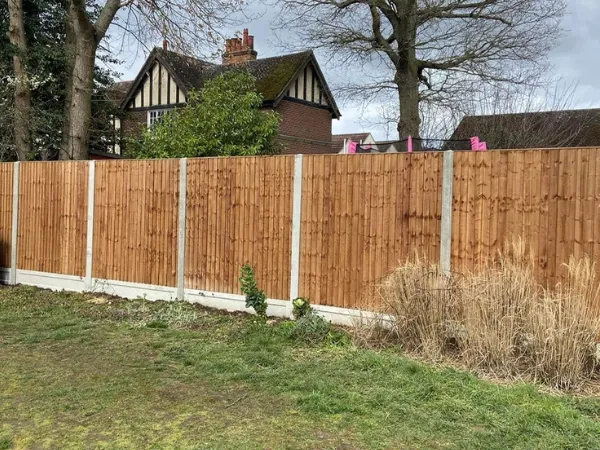
Choosing between timber and concrete posts, and selecting appropriate gravel boards and fixings, helps create a fence suited to the garden and its conditions.
Before Work Begins
A little planning helps ensure the finished fence is practical, properly positioned and suitable for your garden.
Consider the shape and boundaries of your garden, where the fence will run and the level of privacy you want to achieve.
Check whether any restrictions apply to the proposed fence height or position. Planning rules can vary depending on the location and circumstances.
The ground conditions can influence the type of posts and foundations needed. For example, clay soil and uneven ground may require particular consideration when setting posts.
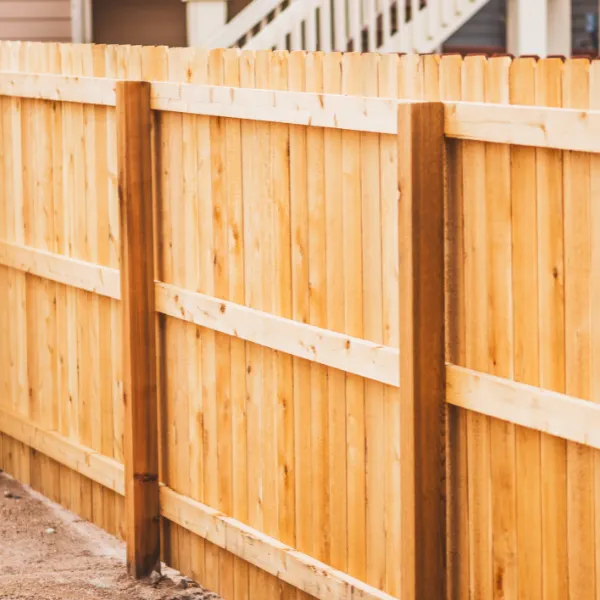
Building a Sturdy Boundary
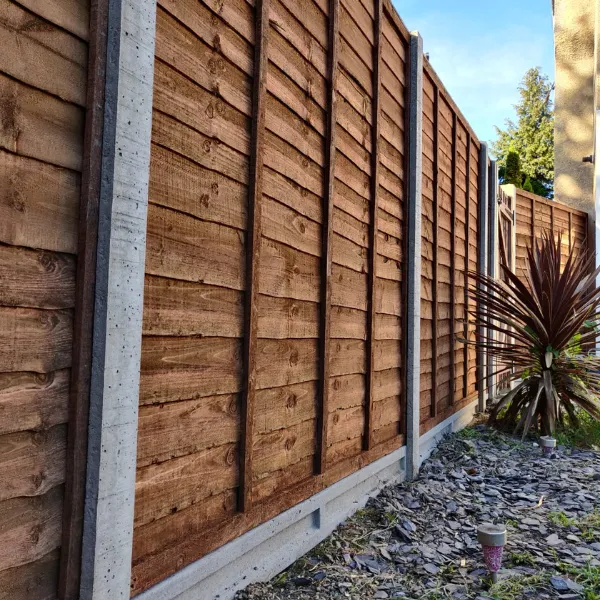
Fence posts provide the support for the entire structure, so choosing the right type is an important part of any installation. Timber posts offer a traditional appearance, while concrete posts are a robust alternative that can be particularly useful where additional strength is needed.
Concrete gravel boards can also be used beneath wooden panels to help protect them from direct contact with the ground. Timber gravel boards are another option, depending on the style and materials chosen.
The best combination will depend on the fence design, ground conditions, exposure to the weather and the requirements of your garden.
Installation Guide
A successful panel fence installation involves more than simply fixing panels between posts. The preparation and supporting structure are essential to achieving a secure, even finish.
Measure the area, establish the fence line and check the proposed position and height before work begins.
Clear the installation area and create suitable post holes. The depth and foundation will depend on the ground, post type and fence design.
Posts need to be securely installed and accurately aligned. Taking care at this stage helps ensure the panels sit level and the finished fence follows the intended line.
Once the posts are secure, fit the gravel boards where required and position the fence panels. Appropriate fixings help keep everything firmly in place.
Check the alignment, fixings and overall stability, making any necessary adjustments to leave a neat and secure finish.
This is a general overview of the installation process. The correct method and materials will depend on the type of fence, the ground conditions and the individual garden.
Looking After Your Fence
Once your fence is installed, a little regular attention can help keep it looking good and identify potential problems before they become more serious.
Remove accumulated dirt, leaves and plant growth that can trap moisture against the timber.
Use a suitable wood treatment or stain where appropriate, following the product instructions and the condition of the timber.
Look out for loose boards, damaged panels, movement in the posts and signs of deterioration. Addressing smaller issues early can help prevent further damage.
Professional Fencing Installation
The right wooden fence panels can make a real difference to the appearance, privacy and security of your garden. Choosing suitable materials and having them properly installed will help you get the most from your investment.
Perry’s Fencing and Landscaping provides professional fencing installation across Hertfordshire and Bedfordshire, with options to suit a range of gardens and properties.
Get a Free Fencing QuoteKeep Reading
Explore more of our practical guides and advice to help you make the most of your outdoor space.
Fencing Advice
Planning ahead during the quieter months can make replacing your garden fence more straightforward, helping you get everything ready for spring.
Fencing Advice
From heavy rain to strong winds, good installation plays an important role in helping your garden fence stand up to changing weather conditions.
Fencing Costs
The cost of replacing a garden fence depends on the materials, style and size of your project. Find out what to consider when planning your budget.
Recent Projects
Take a look at some of the fencing and landscaping projects completed by Perry’s Fencing and Landscaping.